
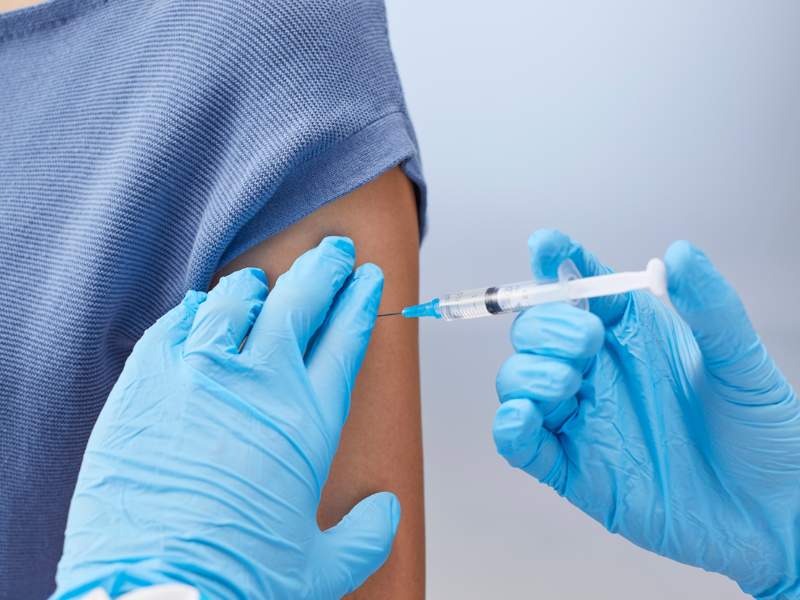
The best rabies vaccination for human protection is becoming a growing public health discussion as rabies cases continue to threaten communities in many countries. Health experts now emphasize the importance of fast post-exposure treatment, proper vaccine administration, and public awareness to prevent fatal outcomes.
Rabies remains one of the deadliest viral infections, yet modern vaccines and immediate medical action can almost always prevent the disease when handled correctly.
Understanding the Best Rabies Vaccination for Human Protection
Medical experts recommend the best rabies vaccination for humans, which is cell culture, as it offers the highest level of safety and effectiveness. These vaccines can be administered through two major routes.
- The first method is the intramuscular (IM) route, which delivers the vaccine directly into the muscle and remains the standard procedure in many healthcare facilities.
- The second method is the intradermal (ID) route, where the vaccine is injected into the skin layer. The World Health Organization strongly supports this method because it provides the same immune protection and safety level as the intramuscular approach while using lower vaccine doses. This makes the intradermal route more cost-efficient, especially in regions with limited vaccine supply.
Exposure Categories Determine Treatment Rules
Doctors classify rabies exposure into three categories to determine the correct treatment approach.
- Category I includes touching animals, feeding them, or receiving licks on healthy skin. In these situations, vaccination is not required.
- Category II involves minor scratches, abrasions without bleeding, or bites on exposed skin. Patients in this category must immediately receive rabies vaccination to stop the virus from spreading.
- Category III is the highest-risk exposure. This includes bleeding bites, deep scratches, saliva contact with wounds or mucous membranes, and bat exposure. Patients must receive both rabies vaccination and Rabies Immunoglobulin (RIG) as quickly as possible.
Critical Rules That Save Lives
Health authorities stress that Post-Exposure Prophylaxis (PEP) is safe for everyone, including infants, pregnant women, and immunocompromised individuals. There are no medical contraindications for emergency rabies treatment.
Experts also warn against delaying vaccination while waiting for animal observation results. In rabies-endemic regions, treatment should begin immediately after exposure.
For high-risk exposure, doctors consider three steps essential for survival: proper wound cleaning, immediate vaccination, and immunoglobulin administration for Category III cases.
Who Needs Preventive Rabies Vaccination?
Pre-Exposure Prophylaxis (PrEP) is strongly recommended for veterinarians, animal handlers, laboratory workers, and people living in high-risk environments. Booster shots are generally reserved for individuals with continuous exposure risk, although antibody monitoring is often preferred over routine boosters.
Rabies remains a deadly but preventable disease when treated quickly and correctly. Understanding the best rabies vaccination for human safety, exposure categories, and emergency treatment rules can help save lives and reduce preventable deaths worldwide.