
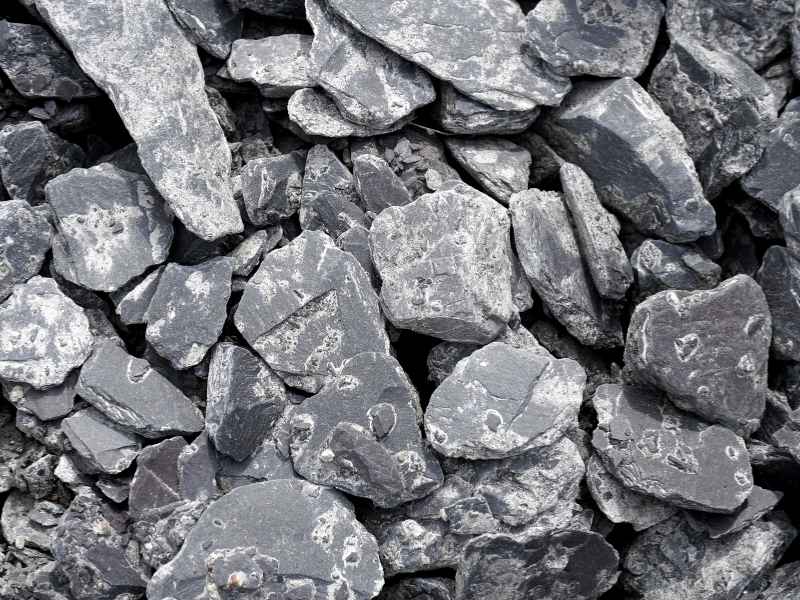
If you’ve spent any time around a hot-dip galvanizing plant, you know that mess on top of the molten bath is just part of the deal. That crusty stuff is zinc ash price. It’s easy to just call it “trash,” but if you’re trying to run a tight ship and keep costs down, you really need to know what’s going on with that residue.
Why Zinc Ash Price Builds Up
So, where does it come from? It’s pretty much just a chemical reaction between the hot liquid metal and the air. When that boiling zinc hits oxygen, it oxidizes. This creates a thin skin on the surface that just keeps building up as long as the bath is hot.
But it’s not just sitting there. Every time you dunk a piece of steel or pull one out, you’re stirring that surface. That movement exposes “fresh” zinc to the air, which basically speeds up the whole oxidation process. If you don’t stay on top of skimming it off, you’re going to end up with a messy, low-quality finish on your products.
What’s Really Inside?
Zinc ash price isn’t just one thing; it’s a bit of a mix depending on what’s happening in your kettle:
- Zinc Oxide (ZnO): This is the main ingredient, formed the second the metal touches the air.
- Metallic Zinc: Here’s the kicker, when you skim the ash, a lot of pure, expensive zinc gets tangled up in the crust and pulled out with it.
- Chlorides: You’ll find these mixed in there because of the flux used to clean the steel before the dip.
- Other Bits: Depending on your specific alloy, you might find some aluminum oxide or other metal traces in the mix.
The bottom line is that zinc ash price is actually a bit of a “money pit” if you don’t handle it right. Since it’s still loaded with actual zinc, most smart shops collect it and send it off to get the metal reclaimed. If you can keep your bath temperatures steady and get your skimming technique down, you can keep the ash to a minimum. It’s about keeping the shop clean, sure, but it’s mostly about making sure you aren’t literally throwing your profits in the bin.